







As a graduate from Chatham University’s Master of Sustainability (MSUS) and MSUS + MBA dual degree programs, you will gain a 360-degree understanding of how to lead teams and bring sustainable insights from the margins to the strategic center.

Disruptive change is a fact of modern life. Managing it skillfully is a mark of modern leadership.
Why Chatham/Falk School?
Four top reasons why you should apply.
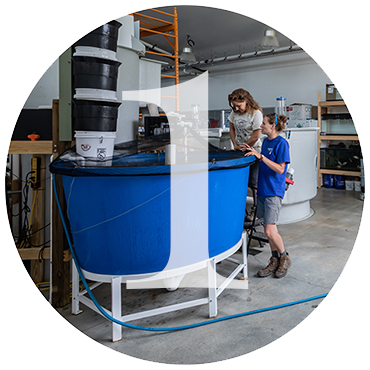
Hands-on Skill Building
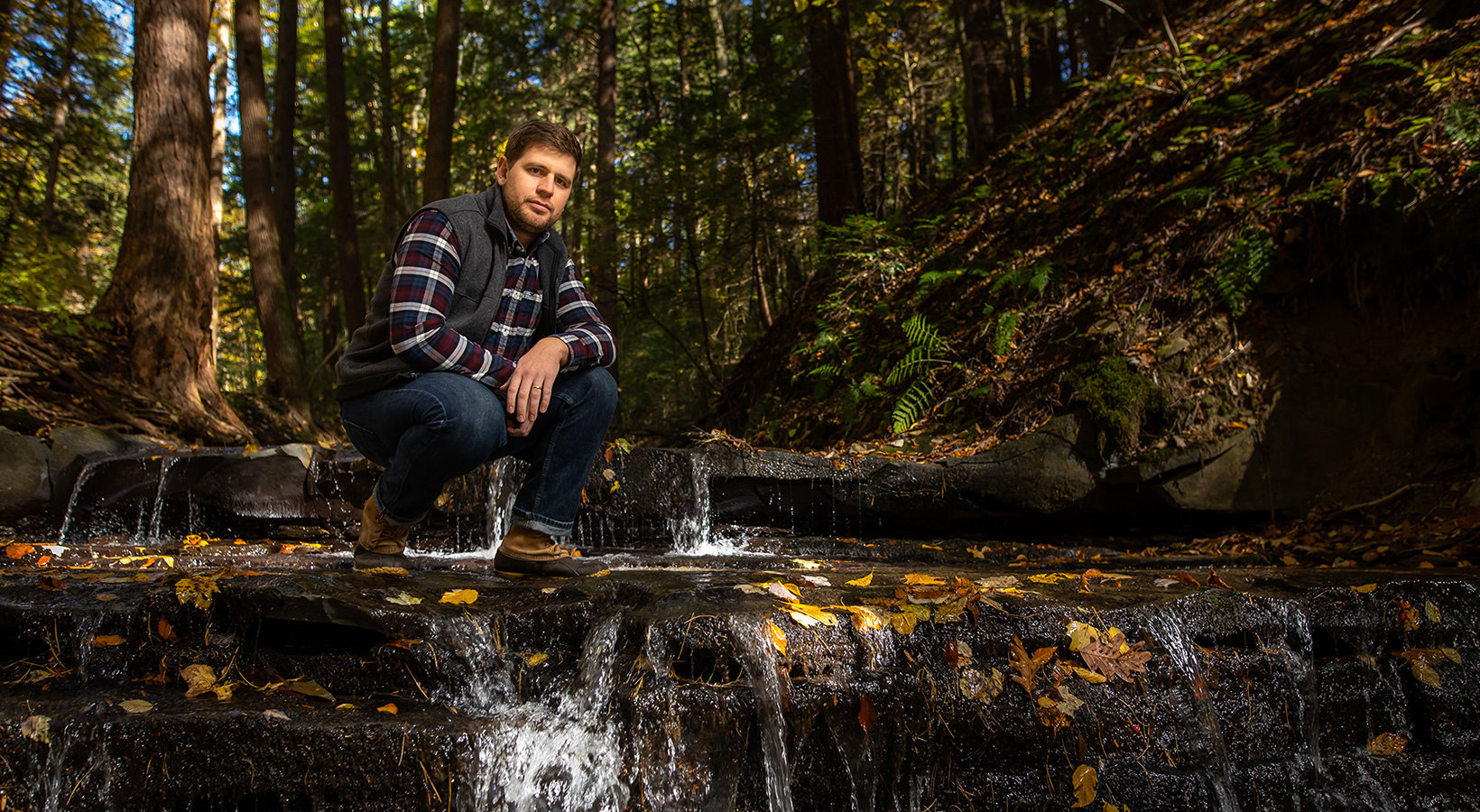
You gain practical skills — GIS, carbon footprints, lifecycle analysis and more. You’ll grow from experiential learning; studying urban stream ecosystems or learning how corporations use data to link sustainability goals to HR measures. Master core data, technical, and field skills.
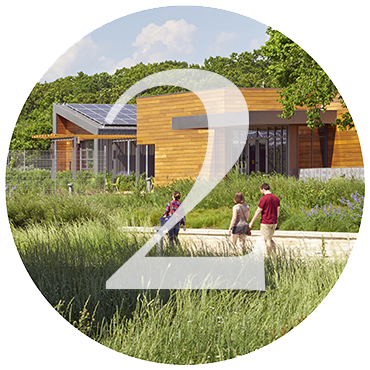
World-Class Sustainability Campus
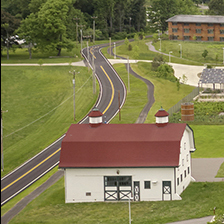
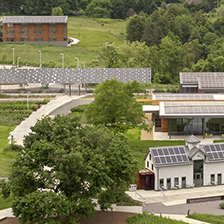
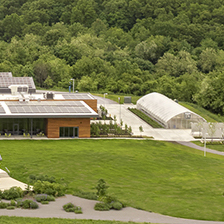
Chatham's Eden Hall Campus provides a daily masters class in solar energy, stormwater management, rainwater harvesting, crop irrigation, wastewater recycling, organic farming, weather station data collection, LEED certification and more.

Pittsburgh: A Sustainability Laboratory
Pittsburgh has become a model of post-industrial transformation — a living laboratory of abundant rivers, woodlands and geological resources. Choose the region known the world over for challenging itself toward sustainable recovery and urban renewal.

Systems Mindset
Nearly 90 percent of program graduates work in areas of organizational operations, advocacy and change management. As a Chatham student, you will gain both hands-on technical experience and a deep grounding in systems thinking and organizational behavior.
Shape your experience.
Three custom-fit tracks. Cohort-based. Two-year. Master of Sustainability.

Business and Innovation
Sustainability is at the strategic center of nearly every business. Through our Business and Innovation degree track, you’ll examine the core of business foundations with a deep understanding that sustainable practice is best practice, and all aspects of innovation must consider the reality of climate change. Coursework emphasizes global business and management – honing skills that make the sustainability-minded business professionals of the future.
Ecology and Resource Management
Managing the natural environment sustainably is the bedrock of any society. Through our Ecology and Resource Management degree track, you will explore options for managing, conserving and utilizing our natural resources in a way that does not jeopardize the well-being of future generations. Graduates take on roles managing natural resources in the public sector, the corporate world and in NGOs – whether in the wilderness, rural or urban environments.
Urban and Energy Systems
Creating a more sustainable, livable city requires a deep understanding of the interconnected systems that meet the needs of the current urban populations without compromising factors like mobility, health and safety. Through our Urban and Energy Systems degree track, you'll examine these systems – water and energy, local food, transportation and sustainable community development – to drive more resilient and equitable futures.

Master of Sustainability
MBA Dual Degree Option
The Chatham’s Master of Sustainability and Master of Business Administration dual degree option sets you on the fast track to sustainability leadership roles across sectors.
Scholarships / Fellowships / Assistantships / Paid Internships Available.
Chatham offers full-service professional development with workshops to help you navigate internships and employment opportunities.
Graduate Student Funding
Chatham Master of Sustainability and MSUS + MBA dual degree students have access to scholarships, fellowships, assistantships, research, conference and travel stipends, paid internships, work and other opportunities. Two full and three partial scholarships are available on a competitive basis to full-time students. The Coverdell Fellows Program for Returned Peace Corps Volunteers provides up to five (5) Coverdell Fellowships (25% tuition) each year. Approximately ten graduate assistant positions ($5,000 per year) offer the opportunity to work with a faculty member in their ongoing research. Each year, five currently enrolled graduate students will receive a $5,000 grant to carry out their own summer research or community development activities in the broad field of sustainability.
Qualified applicants from partner universities — Slippery Rock University, Indiana University Pennsylvania, Washington and Jefferson University, Davis and Elkins University — receive a 20 percent tuition discount.
Career Services
A senior administrator with extensive career placement experience works directly with Falk School of Sustainability & Environment, helping all graduate students develop a personalized career plan as soon as they begin the Master of Sustainability and MSUS + MBA dual degree program. The career office maintains an extensive list of available internships, projects and full-time career positions, and brings corporate sustainability officers, and other speakers to campus to discuss hiring needs.
Student Exchange
Opportunities exist for students to pursue collaboration with international partners in Scandinavia, South Asia and the Caribbean. Two all-expense paid awards allow graduate students to participate in a student exchange in Norway and India, to be completed during the fall term of their second year in the program (August-December). The semester abroad begins at the Norwegian University of Science & Technology in Trondheim, Norway, where students will participate in the master’s program in Urban Ecological Planning (UEP). They will then travel to India for 6-8 weeks, to attend lectures and begin data-based investigations/fieldwork with students from SPA-Delhi and network partner VNIT-Nagpur. They will present this data analysis at a national seminar with stakeholders before traveling back to Norway to write their final reports. Students also study abroad at the University of the West Indies in Kingston, Jamaica in partnership with the Jamaica Conservation Development Trust (JCDT). During their time abroad, Students will focus on projects to enhance the protection and management of Jamaica’s largest and only terrestrial national park, the Blue and John Crow Mountains. They’re encouraged to apply this experience towards their theses.
Want more information? Please fill out the form below to learn more about Chatham University's Master of Sustainability and to receive your FREE Future Sustainability Leader Field Guide.